M Miller Mold Remediation
Compton, IL · 61318 Attics · Basements · Crawl Spaces · Bathrooms

Mold Encapsulation in Compton, IL Near Me

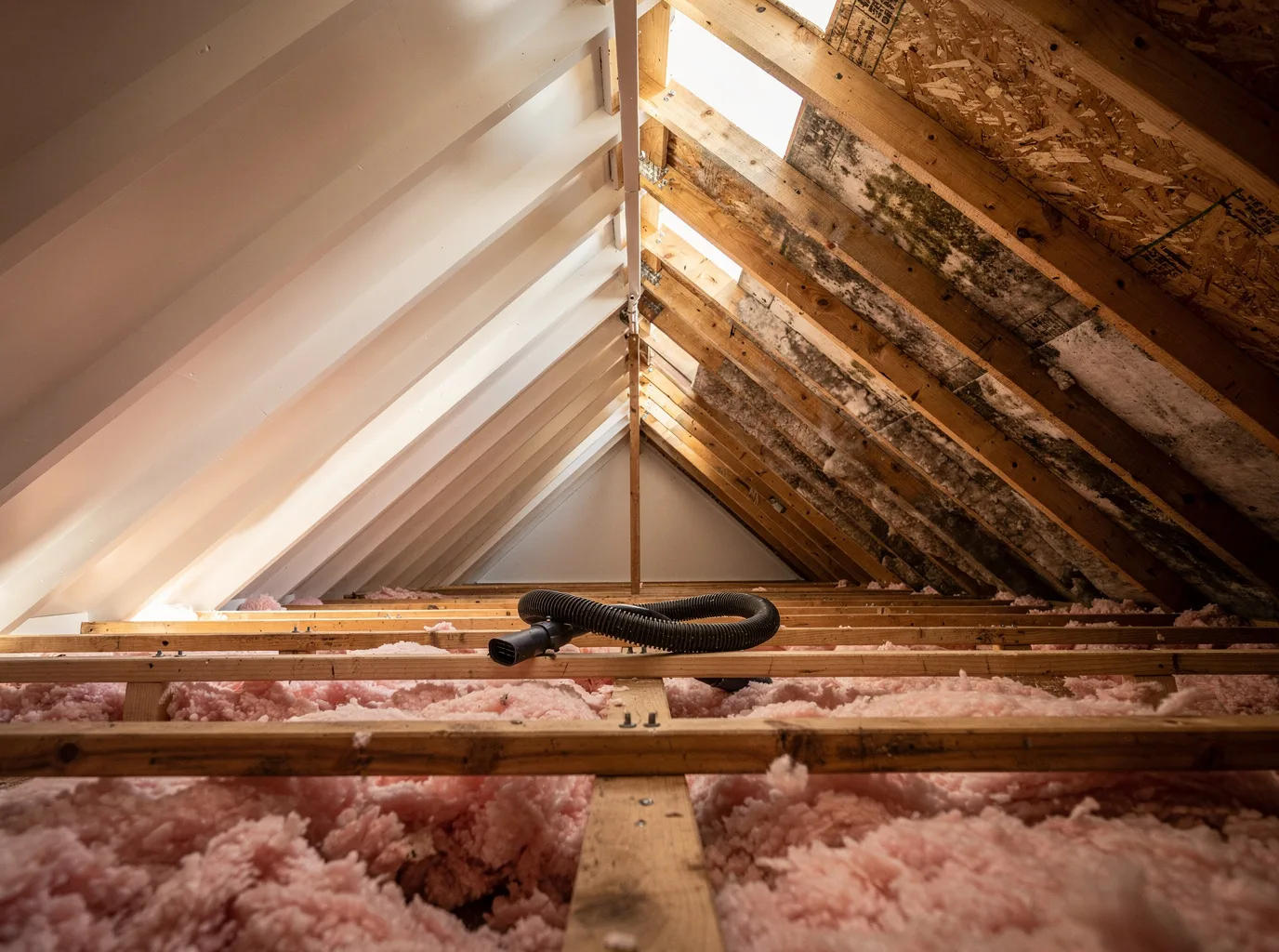
Antimicrobial sealant coatings on cleaned framing, sheathing and joists to help resist future growth after remediation.

Inspection and Testing
Local Remediation Crews
Containment and HEPA Cleanup
Attics, Basements, Crawl Spaces

Mold encapsulation means coating a surface with a sealant designed to lock down any residue and resist new growth. It's most often used on cleaned roof sheathing in attics, crawl space joists and wall framing after a remediation. Done right, it's a final layer on top of proper cleanup. Done wrong, it's paint over mold. If a crew in Compton, IL recommends it, it helps to know which one you're getting.

What it is and isn't

Encapsulants are typically water-based coatings, white or clear, that contain a mold inhibitor and dry into a film. They're applied after the wood has been HEPA vacuumed, cleaned or blasted, and dried. They are not a substitute for removal. Spraying sealant over heavy, active growth hides it for a while, and the industry's own standards don't treat that as remediation. Ask the crew how the surface will be cleaned before anything is sprayed.

Where it's commonly used

  • Attic roof sheathing and rafters after cleaning, often in a white coating that also makes future inspections easier
  • Crawl space floor joists, beams and subfloor
  • Exposed wall studs and plates before new drywall goes up
  • Basement framing in areas with ongoing humidity swings

Our attic mold and crawl space mold pages cover the cleaning that should come first.

Encapsulation versus crawl space encapsulation

The words overlap and confuse people. Coating the wood is one thing. Crawl space encapsulation usually means sealing the whole space: a heavy liner over the soil and up the walls, vents closed, and a dehumidifier. That's a moisture control project, and it can sit alongside wood coating or replace the need for it. Ask which one is being quoted.

What affects cost and how long it lasts

Cost depends on the square footage coated, surface prep, access, and the product. Spraying a full attic deck is quick once cleaning is done. Coating joists in a low crawl space takes longer. A coating's life depends mostly on moisture: on dry wood it can last many years, while an ongoing leak or condensation problem will grow new mold right on top of it. That's why moisture control matters more than the product. Many owners also wait for clearance testing before coating, so the lab results reflect the cleaned surface.

A good question to ask: will the coating cover areas that were never cleaned? Some crews spray the whole attic deck for a uniform look, which is fine if all of it was cleaned first. Coating uncleaned sections only hides what's there and makes the next inspection harder to read.

Also ask for the product name, so you or a future inspector can look up what was applied.

Call (984) 230-5534 and we will connect you with a local remediation crew in Compton, IL that can explain whether a sealant fits your job.
How it works

Four steps to a mold-free space in Compton, IL

01

Tell us what you see

Staining on the ceiling, fuzz on the joists, a musty smell in the basement. Describe it and where it is.

02

Get a local crew lined up

We connect you with a mold company covering Compton, IL that can inspect, take moisture readings and set the scope.

03

Containment and removal

The crew seals the area in plastic, runs HEPA air scrubbers, removes moldy material and cleans the framing.

04

Fix the source, confirm it

The leak or humidity problem gets addressed, and clearance testing can confirm the area before walls close up.

Coverage

Mold Remediation Across Compton, IL

Mold inspection and removal across the neighborhoods and ZIP codes around Compton, IL.

ZIP codes we serve

61318
Mold Encapsulation in Compton, IL

Mold remediation FAQs

Frequently asked questions about mold remediation

Questions we hear most about Mold Encapsulation in Compton, IL.

Talk to a real person
How much does mold remediation cost in Compton, IL?
<p>There's no honest number without seeing the job, because the price is built from a few things: square footage of affected material, where it is (an open basement is faster than a 24 inch crawl space or a hot attic), how much drywall and insulation has to come out, how many days the HEPA air scrubbers run, and whether testing is included. Rebuild work like new drywall and paint is usually a separate quote. A local crew can give you a real figure after a walkthrough, so describe the area when you call.</p>
What is the difference between mold removal and mold remediation?
<p>On a small job, not much. Removal is the hands-on part: cutting out moldy drywall, scrubbing framing, HEPA vacuuming. <a href="/services/mold-remediation">Remediation</a> wraps that in containment, negative air pressure and a fix for the moisture source so the growth doesn't return. Anyone promising to remove all mold spores from a house is overselling, since outdoor air always carries some. The goal is to get indoor levels back to normal and stop the growth.</p>
Is black mold dangerous?
<p>We can't give medical advice, and neither can the crew. Health questions about mold exposure should go to your doctor, especially for infants, older adults, or anyone with asthma or a weakened immune system. From the building side, any heavy dark growth on drywall or wood gets the same careful handling: containment, misting, bagging inside the work area and HEPA cleanup. Our <a href="/services/black-mold-removal">black mold removal</a> page explains how crews handle it.</p>
What causes mold in the attic?
<p>Usually warm, damp air from the house condensing on the cold roof deck. The common culprits are bathroom fans venting into the attic, soffit vents blocked by insulation, too little roof venting, and air leaks around light fixtures and the hatch. Roof leaks cause spots near chimneys and vents. The fix is cleaning plus airflow changes, covered on our <a href="/services/attic-mold-removal">attic mold</a> page.</p>
How do I know if there is mold inside my walls?
<p>Signs include a musty smell near one wall, paint that bubbles or peels, baseboards that are swollen or stained, and drywall that feels soft. A moisture meter reading well above the rest of the room is a strong clue. Thermal cameras show cold, damp patches without opening the wall. If readings are high, the wall usually has to be opened. See <a href="/services/drywall-mold-removal">mold in drywall</a> for what that involves.</p>

Book mold remediation

Seeing Mold in Compton, IL? Call now.

Tell us what you're seeing and we line you up with a mold company covering Compton, IL. Scope and pricing are worked out after the walkthrough. (984) 230-5534.

Call (984) 230-5534 Services